
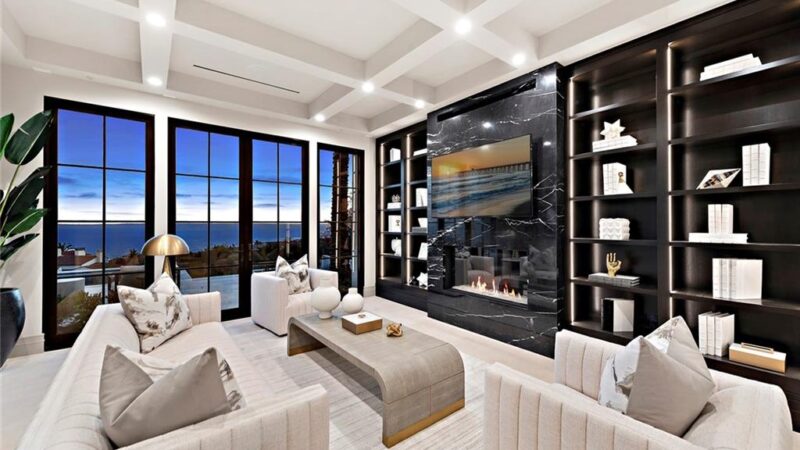
Ten House Staging Tips To Sell Your Home Fast
Ten House Staging Tips to Sell Your Listing Fast
House staging tips for home sellers. There’s no doubt that staging a house – whether or not you use a professional company – can give it real ‘buyer appeal. Main focus is to make your house more inviting. How to stage your home? When you’re selling your home, you want it to look its best so it will command the highest and best price. That’s where home staging comes in. The most important thing you can do to prepare your home for sale is to get rid of clutter.
Make a house rule that for every new item that comes in, an old one has to leave. One of the major contributors to a cluttered look is having too much furniture. When professional stagers descend on a home being prepped for market, they often whisk away as much as half the owner’s furnishings, and the house looks much bigger for it. You don’t have to whittle that drastically, but take a hard look at what you have and ask yourself what you can live without.
Why Do You Need to Spend Time Staging Your Home?
The goal of home staging is to improve the home’s appearance in the eyes of potential buyers, with the ultimate goal of selling the home more quickly and for the highest possible price. Home buyers want to dream about their new home and you can paint that picture for them. Whether they are looking to relocate, or upgrade, your “yesterday” is their tomorrow, and you can prove this to them when you put the effort into staging your home.
When you stage your home, you get to show the well-maintained, tidy, and beautiful space that has served you well. A home that is appealing, decorated, and absent of clutter is a home that sells. This extra step will wow your buyers from the moment they look at the photos of your home online. Staging helps a prospective buyer visualize living in the home. Staging can increase the amount of the offer. Staging can lead to the house spending less time on the market.
How to Stage Your Home For Maximum Interest?
For those that have a limited budget, talk to us first. We’ll be able to help you understand where to spend the money for the best improvements. You might think that you need to paint a room when in fact tidying that garage might make more sense. We’ll help you consider things like the entryway and the exterior where the buyer will have their first impression of your home. When you stage the kitchen try to make your appliances look spotless. Get rid of any grease, crumbs, or splatters that may exist. Our marketing plan will help you to sell your home faster for top dollars.
House Staging Tips to Follow
Depersonalize
Potential buyers want to be able to picture themselves in your home, and that’s hard to do if all they see are your personal items. Remove family photos, your kids’ artwork, framed diplomas and personal collections. Pack these items up to take to your new home and replace them with generic artwork. Follow these house staging tips.
Clear Away Clutter
Decluttering the home is another simple way to get buyers to focus on the bones of the house. Los Angeles top Real Estate Agent Faruk Bhuiyan say they often catch house hunters opening bathroom cabinets. So, disband the clutter and clean out your cabinets. You want to show buyers storage, not a lack of storage. Storage sells houses — it always ranks high on a buyer’s priority list. Consider freshening up the walls. Follow these house staging tips.
Pack Away Personal Items
Buyers want to perceive themselves in their future home. Packing away some of your stuff is one of the easiest things you can do to sell your house quickly. Prospective buyers won’t be able to picture themselves in the house if they’re surrounded by dozens of photos of your children and grandparents. In addition to attracting the buyer, “you want the buyer’s agent to enjoy showing the home, because even if this particular buyer isn’t interested, the agent might represent someone who would be a good match. Use this house Staging Tips.
Create a Balanced Space
To make a room appear bigger, paint it the same color as the adjacent room. If you have a small kitchen and dining room, a seamless look will make both rooms feel like one big space. Rethink furniture placement. Tips: If you want to give the illusion of more space, paint the walls the same color as your draperies. It will provide a seamless and sophisticated look. Follow this house Staging Tips.
Don’t Overcrowd Rooms
Don’t overcrowd a room with furniture that is too large for the space; it will only make the room appear small and cramped. However, don’t leave a room too barren either. In a narrow space, shelves can add depth to make a room feel larger. It’s natural to want to decorate your home in the best possible way. Everything we see in the stores that seems beautiful and interesting we must have. The problems begin when we act impulsively, without planning what we need to purchase. Tips: Paint the backs of the shelves the same color as the walls to create an illusion of depth. When dressing a window, remember designer Monica Pedersen’s formula for balance: For a large window in a large room, use large-patterned window treatments. A small pattern tends to disappear in a large room. Follow this house Staging Tips.
Upgrade With Eco-Friendly Materials
Use eco-friendly materials when upgrading your home for sale. Buyers are willing to pay more for a home that is considered green. If you’re on a budget, consider cork flooring. It’s extremely durable and costs about half the price of traditional hardwood flooring. Follow this house Staging Tips.
Repurpose Your Resources
Salvage old materials to save money. The designed to sell experts are always looking for ways to repurpose old junk. They’ve turned strips of hardwood flooring into a fence, cut down pieces of old laminate countertops to make shelves and made headboards out of just about anything, including old doors. Follow this house Staging Tips.
Make Awkward Spaces Functional
Rearrange the rooms in your home to reel in prospective buyers. Make sure each room has a distinct, useful purpose. Make the most of an awkward space by giving it a function. The slanted ceilings in this attic bedroom created a hideaway nook with no real purpose. By adding wall-to-wall shelves and a desk, the area has immediately turned into a private office. This new space adds value to the home and is a feature potential buyer are sure to remember. Add functional office space. These days more peoples are working from home. Follow this house Staging Tips.
Build a Memorable First Impression
Open stairways and foyers need to draw buyers up and in. Clear out the clutter and add a little color. Get rid of shabby apartment-grade window blinds; new window treatments are an easy and inexpensive fix that can change a room dramatically. Follow this house Staging Tips.
Highlight Each Rooms Purpose
Do not keep any room empty. If a room doesn’t have a clearly defined purpose, define one yourself based on what your target market is looking for. That spare room could become an office, extra bedroom, craft room or playroom, depending on how you stage it. Don’t force people to brainstorm ways they could use an extra space; help paint a picture for them. Your main focus should be to make a small space look bigger.
If you have any odd corners or “dead spaces” in your property, you can also stage these to make them look like positive features. A random nook in the hallway could be turned into a reading area with a comfy armchair and an open book, for instance. Follow these house staging tips.
Make It Look “Lived In”
Empty rooms don’t look more spacious; they actually look smaller because buyers have a hard time telling at a glance how much furniture the space can accommodate. They also come across as stark and uninviting. Adding a few key pieces of furniture and accessories can help people feel at home and allow them to really picture themselves living in each room. You don’t need to fill up each room completely, just enough to create a welcoming scene. In the living room, add a couch, coffee table and some side chairs, along with accessories like an area rug (if you have hardwood floors) and complimentary curtains. In the bedroom, a bed, nightstand and dresser will do the trick. (Pro tip: Stack two mattresses on top of each other and neatly make the bed in order to avoid the hassle of moving an actual box spring into the space.)
New Paint: Update with Fresh Paint
Impress with paint. A sophisticated neutral will actually do a better job of showing off windows and moldings and creating an enveloping sense of coziness. Opt for warm grays, creams, or beige over stark white or idiosyncratic colors. Be sure to set out a floor plan with the dimensions of each room so buyers can see exactly what they’re getting. This will also allow them to envision their furniture in the space. If your doors and casing look old and outdated, give them a fresh coat of sparkling white paint. It will make your whole house look cleaner and more contemporary. Follow this house Staging Tips.
Bedroom: Create Serene Bedrooms
Create a relaxing setting with luxurious linens and soft colors that will make a potential homebuyer want to sit back and relax. Create an inviting and serene main bedroom with a well-made bed covered in luxurious linens. Tucking a large comforter into a soft-colored duvet will give your bed that plump and plush look that you see in high-end hotels. Use a solid color duvet and add color with shams, throw pillows and extra blankets. Keep nightstands uncluttered and remove personal items. Stage the master bedroom. Clear the clutter and depersonalize your master bedroom. Follow these bedroom house Staging Tips for your bedroom.
Bathroom: Update Outdated Bathrooms
Make bathroom shine. Make your bathroom a fresh new look. Ensure all the bathrooms are spotless. If you have old lighting fixtures update them. Magnify the master bath. Master bath rank high on buyers’ must-have lists, and the more you can make yours seem spacious and spa-like, the better. Fix any leaks. Replace the faucets and a shower head if they’re old. Scrub the bathrooms. Nothing is going to turn off a potential buyer more than a scuzzy bathroom. Remove hard-water stains from faucets, make sure there is no sign of mold and remove clutter by whittling down your cosmetics and products in the vanity and medicine cabinet. Invest in new shower curtains, rugs and bathmats. Consider having tacky, outdated bathroom tile re-glazed. It costs much less than replacements and can make your bathroom look brand new. Swap your current towels, rugs, and shower curtain for plush white versions, and consider replacing your hardware with inexpensive yet modern upgrades. And don’t forget to replace or repair any chipped tile or damaged countertops so your master bath will present a seamless finish that will make buyers feel instantly relaxed.
Kitchen: Revamp the Kitchen
Based on buyers’ focus the kitchen is one of the most looked at areas. Clear the clutter off your kitchen countertops and the kitchen island. Make those cabinets and countertops shine! Clean the kitchen cupboards, cabinets, drawers, refrigerator, stove, oven and microwave. If you can’t afford new cabinets, get new doors and drawer fronts, paint everything to match and add new hardware. Instead of replacing the entire dishwasher, you may be able to get a new front panel. Check with the manufacturer to see if they sell replacements for your model. If not, laminate paper can be used to re-cover the existing panel. Follow this house Staging Tips.
Appliances: Invest in Contemporary Appliances
Give appliances a like new look. If your kitchen appliances are outdated, invest in a new cooktop, stove or refrigerator. Studies show that sellers recoup every penny they spend on appliances. Because the kitchen undergoes the most scrutiny of any room in the house, it’s a good bet that the investment will pay off. Follow this house Staging Tips for your kitchen.
Dining Room: Entertain the Idea of Entertaining
Decorate and style your dining room table. Let buyers entertain the idea of entertaining. Set out some chic place settings around the table, or a few wine glasses and a decanter on the buffet. Strike a balance between overly formal and too casual with an attractive runner and a few funs, decorative elements — think small floral vases or short candle holders. Follow this house Staging Tips.
Living Room: Rearrange The Furniture
The living room is often the first room the buyers go through when touring your home. It’s also the place they want to envision themselves relaxing and often entertaining. Remove unnecessary furniture to create more space. If you have dark curtains, replace them with the neutral-colored ones. Update lighting if it’s dim. Open the blinds to let more natural light in. If the walls are painted in a dark color, consider painting them with a lighter neutral color. Add warm touches like flowers or attractive décor (vases, throw pillows, candles, coffee table books).Declutter (put away books and magazines, clear surfaces from personal items). Rearrange your furniture. In the living room, symmetrical arrangements usually work well. Pull your furniture off the walls and use pairs (of sofas, chairs, lamps) to create an inviting conversation area.
Extra Rooms: Use “Extra” Rooms Wisely
If you have been using a spare bedroom as a dumping ground for odd pieces of furniture and boxes of junk, it’s time to clean up your act. Each room should have a clearly defined purpose, so think about what potential buyers might like to see here. An office? A guest room? Another kids’ room? Whether you buy inexpensive furnishings, rent them, or borrow some from friends, making a real room out of a junk room will have a big payoff.
Furniture Placement
When a buyer get into a room, they scan a room from left to right upon entry. If you place the tallest piece of furniture in the room in the far left corner, the room will appear larger. Placing a large or tall piece of furniture on either side of an entryway or door makes a room appear smaller. While placing such pieces farther back in a room makes the space appear larger. Unbroken floor space makes any room appear larger, which is why I recommend removing most rugs (except to anchor a conversation area), bed skirts, and items off the floor of closets.
Lighting: Amp Up The Lighting
Light up your rooms. One of the most important things that make staged homes look so warm and welcoming is great lighting. This includes both natural and artificial lights. Increase the wattage in your lamps and fixtures. Aim for a total of 100 watts for every 50 square feet. Don’t depend on just one or two light fixtures per room, either. Make sure you have three types of lighting: ambient (general or overhead), task (pendant, under-cabinet or reading) and accent (table and wall). Ample lighting adds what pros call “visual square footage”—the illusion of more space. All windows should be thoroughly cleaned to let the light in. Then, swap out heavy, room-darkening drapes or heavy blinds for opaque, light-filtering window treatments or light curtains. Use wall sconces, floor lamps, and task lighting to add more wattage on the cheap.
Windows: Use Curtain to Fool The Eye
Window treatments can help make a room look more spacious. Use drapes that are the same color as your walls so that the continuous hue will make the space look wider. Create the illusion of height by hanging drapes above the window. They should start at the ceiling and just barely brush the floor. Don’t let them gather or puddle on the floor. Hanging curtain rods just below the ceiling (as opposed to above the window) adds the illusion of height to an otherwise average-size room.
Storage: Fake More Storage
Storage always ranks high on buyers’ priority list. Show off yours by decluttering your closets, cabinets and essential stuff. Keep closets neat by stashing items in matching baskets and cloth bins. Implement shoe racks and under-shelf baskets to demonstrate the versatility of your storage. Straighten out the linen closet and add a couple of satchels of potpourri so when buyers peek inside, they’ll be greeted by fresh-smelling sheets and towels.
Open and Organize Closets
Organize closets. Adequate closet storage can make or break a sale. Once your home is listed be sure to include closets when you’re staging your home. Showcase how well they can be organized and remove excess clutter to show buyers the amount of space inside.
Erase Sign of Pets
Remove your pets for the listing photos and when a buyer is previewing your home. Some people have allergies and they won’t even consider a home that has pets. Remove any dog or cat doors. Pets? What pets? Scrub those pet stains on the carpets and rugs until totally gone or replace them if necessary. Try cleaning formulas made especially for pet odors. Use air fresheners that eliminate rather than mask odors. There’s nothing worse than the smell of artificial pine with kitty litter undertones. Clean all pet “presents” from the yard. Keep cat boxes immaculate and hidden or — better yet — see how your feline-loving friends feel about a temporary houseguest and remove litter boxes altogether.
Create Cozy Conversational Space
Prospective home buyers want to socialize in a home’s common areas without moving chairs. Plus, placing furniture in conversational groups (think a love seat and two chairs) makes rooms feel larger. In long rooms, consider creating two separate chat areas and delineating them with area rugs to create the illusion of more space. Using just one rug that’s too large actually makes a room look smaller. The back of a couch can also be a great divider between rooms in an open floor plan.
Highlight a Focal Point
Walk into any well-staged home, and you’ll notice great accent accessories positioned near a room’s best attributes. For example, a grouping of (three!) vases near a gorgeous fireplace or a large plant near a window with a view. Stagers also frequently position furniture at an angle to facilitate better movement in a square or skinny room, or to highlight existing focal points.
Freshen Floors
Pay special attention to what’s underfoot—because your potential buyers certainly will. Have wood floors refinished so they gleam, give tile and grout a deep cleaning, and add some soft, unobtrusive area rugs to cover any problem spots and create a feeling of comfort and ease (or steam-clean the rugs you already own if they’re in good shape).
Exterior
The exterior and the entryway—which factor into the home’s curb appeal—are important points of focus because they can heavily impact a buyer’s first impression. Hang attractive house numbers that are legible from the road. Brighten up your porch with fresh paint or stain. Add a fresh coat of paint to the front door. Steer clear of unconventional colors like purple. Buy a new doormat to welcome home buyers. Power-wash the house exterior, walkway, steps, driveway, and porch until everything sparkles.
Make sure the locks and doorbell function. Make that mailbox look clean and welcoming, or get a new one. Plant lots of colorful blooms in attractive pots and planter beds. Trim back trees and shrubs from the approach to the front door. Dress up any imperfect planting area with mulch. Make sure entryway lights function and are free of cobwebs and insects. Hide trash cans, recycle bins, and garden hoses.
Stage The Backyard
The home’s interior often takes the center stage when sprucing up to sell, but your home’s exterior gives the first impression when potential buyers arrive. If you have a backyard or any outside space, you really need to maximize this as much as possible. The size of the backyard does not matter. You need to get this to do the selling. Just like the front of the property, assess what needs to be done to make it as presentable as you can. Trim the trees and the bushes. Mow your lawn. Remove dead leaves. f it’s the holiday season, add some seasonal decorations like a tasteful pumpkin, a wreath or a few attractive decorations. Pressure wash the deck, the patio, the pool area and the exterior of the house. Accessorize your porch, deck or patio (add attractive furniture and plants, lights, candles, etc.).
Treat it as an extra room and home stage it accordingly. Start by measuring your outdoor area and deciding what type of furniture will best suit your needs and lifestyle – a bistro two-seater table and chairs is perfect for romantic al fresco dining on a city balcony, whereas a large sofa set is a good choice for a sociable family household – all these backyard ideas will help.
Create Curb Appeal
The outside of your home can create an amazing first impression. Curb appeal is real, and don’t underestimate how important this is. Keep your plants, trees, bushes, and lawn pruned and well-maintained while your house is on the market. It doesn’t hurt to power wash the exterior of your house and in some cases, it might make sense to give it a fresh coat of paint before the photographer shows up. Mow the lawn and trim the bushes – especially the ones that block your windows and diminish sunlight. Add some seasonal décor.
Scrub and Deodorize
Fill your home with pleasant aromas. Buyers don’t want to look at a dirty, smelly home. So, make sure your house shines from top to bottom. The goal is to help buyers imagine themselves living in the home. When buyers see an unkempt home, or smell something when they first walk in, they become turned off immediately. They can rarely see past it to look at all of the great features in the home. Having the house professionally cleaned so that everything is spotless: windows, sliding glass door tracks, garage, basement, ceiling fans, etc.
Use Color to Highlight
Use consistent color to make room flow. Weaving the same pops of color throughout your home allows your space to flow cohesively from one room to the next. Don’t be afraid to use bold color in a small space like a powder room or dining room. Consider painting an accent wall to draw attention to a feature you want to highlight like a fireplace or a set of windows. If you have built-in bookcases or niches, experiment with painting or using wallpaper on the insides to make them pop.
Keep The Décor Simple and Neutral
Consider removing some of your home décor if you can, to keep things clean and simple. Set up your kitchen counter with a coffee maker, maybe a canister or two and some flowers on the island. In the bathrooms, put out clean hand towels, empty the trash can and replace the bar of soap with a new one. Pack away toothbrushes and cleansers and keep the counter space clutter free. When your house hits the market, you need to do what it takes to stand out amongst all the other listings. Following a few house staging tips can be the difference in selling or having your house sit on the market for months. If your buyers have some houses in their top 5, wow them with yours!
Day of Showing
This is the most important day for your staging. Add a seasonal touch. Set out fresh cut lilacs in the spring. Tidy like you’ve never tidied before. Avoid cooking any food for your own meals, but do bake some cookies or other baked goods to leave a welcoming aroma behind. Take off. After all that staging work, you deserve a trip to the spa while potential home buyers are busy falling in love with your house.
Keep Your Home Staging Until It Sells
Your life will continue while your house is for sale. That means your family will be going to work and school, so it will be hard to keep the house staged with continued organizing, purging clutter, and regular cleaning.
Try and deal with smaller messes as they come. In most cases, the time and effort you take to stage your home will result in faster home sales, and don’t forget, our average time on market is three days, so this really shouldn’t be too hard for that long!
Who Pays For The Staging of a House?
Homeowners pay for the staging of a house since it is in their interest to gain a quicker offer, sale and, hopefully, a higher price.
House Staging Tips – Wrap Up
Most professionally staged homes ditch television sets, which can occupy valuable wall space and often make rooms appear smaller. Remember, the objective of staging is generally to make each space look larger. That’s why stagers never include dressers and other “arbitrary” furniture, unless they’re working with a very large space. Consistency in furniture style provides a sense of continuity and calm that prospective buyers expect and will remember. If the living room is contemporary, the rest of the home should also be a contemporary style.
Designers universally agree that mirrors make small room appear bigger by reflecting light. When a buyer catches a glimpse of himself in a mirror, “he will literally see himself in the house. The subliminal suggestion will tell him he has a connection. When they will find a beautifully staged home, they will fall in love with the home. Make sure your garden is in beautiful shape in the summer, and that any extra features you have, like a pool or a fire pit, are cleaned and ready to go. Take advantage of the cozy vibe of the season in autumn and winter, by building a fire in the fireplace and simmering hot apple cider on the stove. Sell your home fast.
House Staging Tips – Our Recommendations
We understand that staging a home is no simple task, but the benefits usually far outweigh the time, effort, and expense. What about you? Let us know if you have any special home staging secrets by sharing in a comment. 83% of buyer’s agents said that home staging made it a lot easier for their buyer to visualize the property as their future home. Not only that, 44% of buyers were so happy with the aesthetics home staging provided them that they were willing to offer more money for the home. When you stage a home, you’re not just helping the buyers, you’re helping yourself. Need help in selling your home? Contact Faruk Now. Call/Text Faruk Bhuiyan (562) 213-8892 for a Free consultation.